

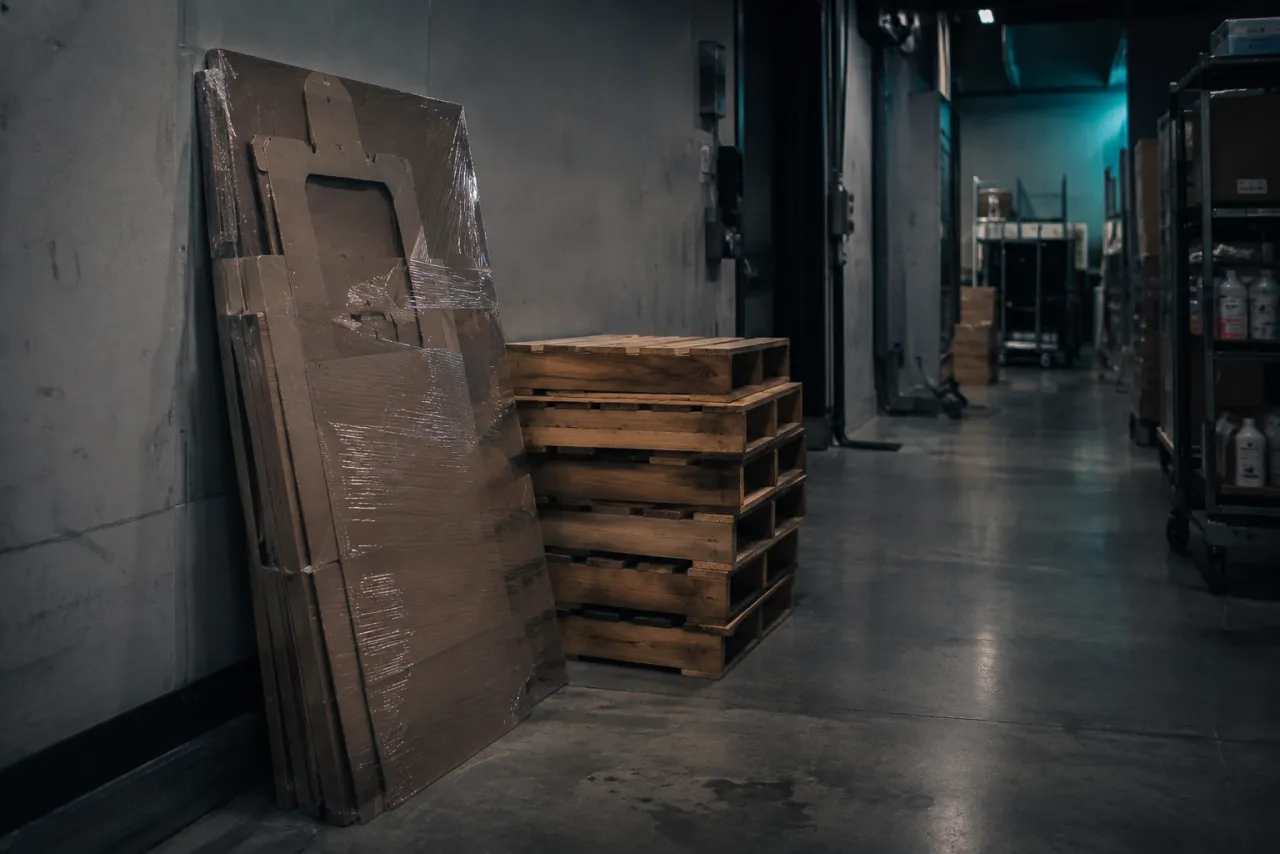
You signed off on a national promotion. The deduction hit your trade account in full. Somewhere in Ohio, the end cap you paid for is still flat-packed in the back room, and the shopper who came in for your brand walked out with the competitor’s.
Nobody at the retailer is going to call and tell you. Your broker’s rep covers that store every third week if the route holds. Your syndicated data will show a soft velocity number a month from now, with no explanation attached. That is the daily reality of CPG retail execution: you pay for conditions in stores you almost never see with your own eyes.
Closing that gap is what verification is for. Not another dashboard, and not another retailer scorecard. Independent eyes in the aisle, on a schedule you control, bringing back photos instead of promises.
The Three Ways CPG Retail Execution Quietly Fails
Execution failures rarely announce themselves. They accumulate quietly, store by store, and they cluster into three patterns.
- Distribution voids. The item is authorized, cut in, and showing as active in the retailer’s system. The shelf tells another story: no tag, no facings, or a competitor sitting in your slot. Voids can persist for weeks in stores nobody checks, and every one of those weeks is velocity you never get back.
- Phantom displays. You paid for an end cap or a pallet drop. It was built three days late, built without the signage kit, parked in a dead corner by the restrooms, or never built at all. The invoice looks identical either way.
- Promotion and price failures. The ad ran, but the shelf tag never changed. The promo price rings wrong at the register. The featured item sold out on day two and was never refilled. Shoppers experienced none of what you funded.
Why Your Data Never Sees It
Syndicated data and POS reports are rearview mirrors. They tell you velocity softened in a market four to six weeks after the fact, and they say nothing about why. A void, a missing tag, and a mispriced promo all look the same in a spreadsheet: a smaller number than you expected.
Field reps help, but the coverage math is brutal. A rep working a large territory sees each store on a rotation, often announced in advance, and stores have a way of looking their best when a scheduled visit is on the calendar. Retailer compliance reports are self-graded homework. None of this is malicious. It is simply what happens when the only people checking the work have a stake in the grade.
Meanwhile, trade spend sits among the largest lines on the brand’s P&L, and it is routinely the least verified. Operators who finally put independent eyes on their programs are routinely surprised by how far shelf reality drifts from what the contract describes.
What Independent Verification Actually Looks Like
Independent verification means someone with no stake in the outcome walks the store as a shopper and documents what is actually there. At Signal Retail, that is a trained, anonymous field auditor working from a checklist built around your specific programs: your authorized items, your display contracts, your promoted prices. Auditors observe and report only. They never fix, straighten, or interfere, so what you get is the store exactly as your shoppers found it.
Every finding is backed by a photo, a timestamped note, or a receipt, and every report passes internal QA before it reaches you. Issues arrive severity-coded from Critical to Low, with an overall store score from 0 to 100, so a missing national display and a slightly crooked shelf tag never carry the same weight. Our CPG retail verification program is built specifically for brands that need this view across a retailer’s fleet, and how reporting works walks through exactly what lands in your inbox. For promo-window sweeps, the Price, Tag & Promotion Integrity Audit runs $350 to $495 per visit and is purpose-built for checking tags, signage, and register accuracy against what you funded.
Turning Photos Into Recovered Trade Spend
Evidence changes the conversation with your retailer. Without it, a compliance complaint is your word against the buyer’s, and the buyer holds the relationship. With timestamped photos from a dozen stores in the same week, the conversation shifts from opinion to logistics: here is the contract, here is the shelf, here is the gap.
Brands put this evidence to work three ways. They dispute deductions and recover trade spend on programs that never executed. They escalate chronic problem stores inside the retailer’s own organization, where a photo trail moves faster than a complaint ever will. And they decide which programs deserve funding next year based on what actually happened in the aisle, not what the sell sheet promised. It also sharpens internal accountability: broker scorecards get honest fast when an independent record exists. If you are still deciding what to track, our guide to retail execution KPIs is a useful companion read.
Prove It in Ten Stores
You do not need a national program to find out what your execution really looks like. Pick ten stores where the numbers feel wrong: one market, one retailer, one promotion window. Verify those, and you will know within a month whether you have an execution problem worth chasing.
Our 10-store pilot runs $7,500 all-in: a custom checklist designed around your programs, ten anonymous visits, photo-backed and severity-scored reports, an aggregated findings summary, and a one-hour executive debrief, delivered in three to five weeks with no long-term commitment. If you have been funding shelf conditions on faith, reach out and put eyes on what you paid for.