

Retail operations teams drown in metrics. Sales per square foot, conversion, basket size, labor percentage, NPS. All useful, all real, and all of them share one blind spot: they measure outcomes, not execution. When comparable stores diverge, the outcome metrics tell you that it happened, never why.
Execution KPIs fill that gap. They measure whether the store your customers walk into matches the store your playbook describes. Here are the ones that actually predict performance, and how to measure each without fooling yourself.
1. Store condition score
A weighted 0 to 100 score across cleanliness, aisle accessibility, lighting, restrooms, and exterior. This is the master execution number, and its power comes from consistency: the same rubric, applied by trained observers, across every store in the network. Tracked quarterly, the trend line separates stores that are managed from stores that are coasting. A single audited score below your standard, we use 80, should trigger a review. How the score is built is documented in our reporting methodology.
2. Price-tag accuracy rate
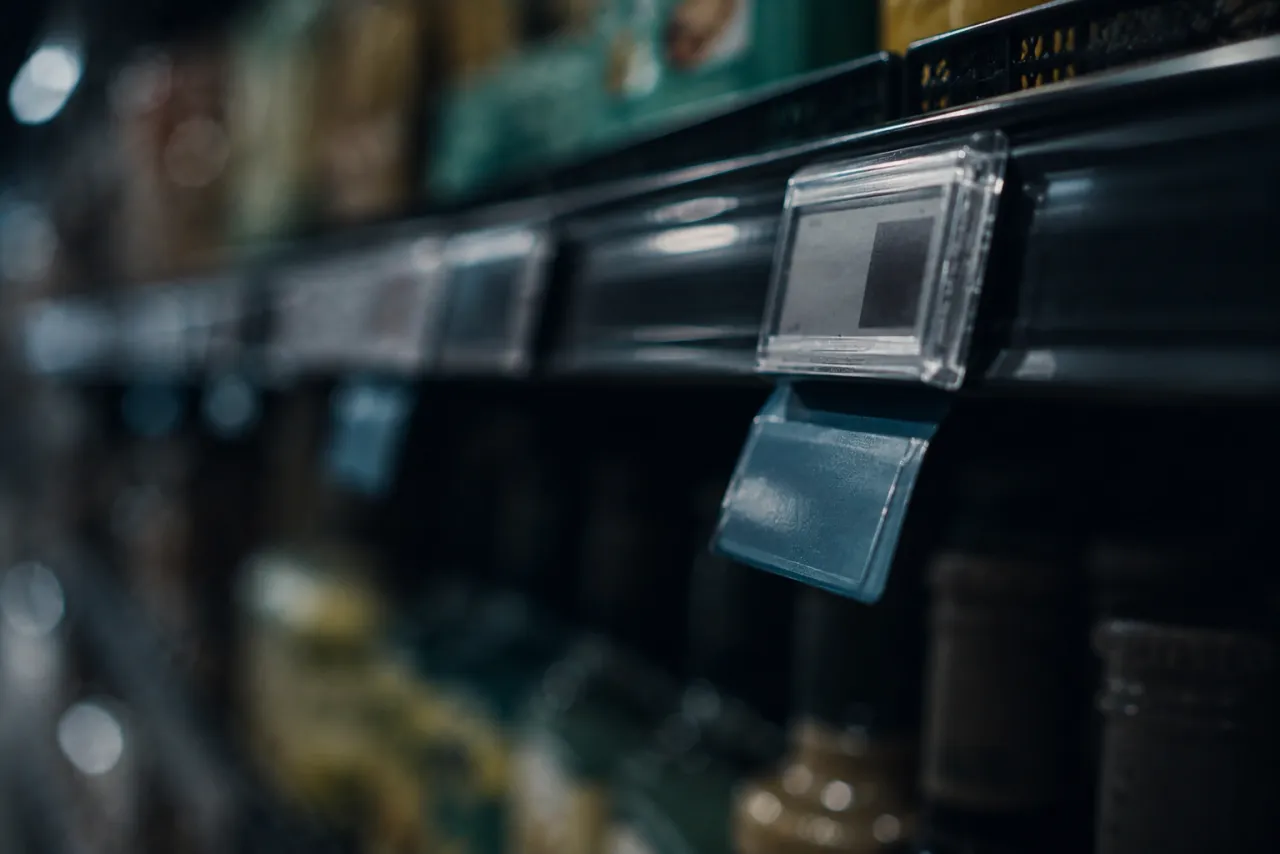
The percentage of checked items where the shelf label exists, is current, and matches the price charged at the register. This KPI punches far above its weight: label gaps erode customer trust, trigger regulatory exposure in some states, and directly leak margin when promotions ring wrong. Best measured by section-by-section field checks against receipts, the method behind our price and promotion integrity audit. Healthy stores run above 95 percent. Below 90 is a fire.
3. Checkout wait time at peak
Minutes from joining the line to completing payment, measured during the store’s actual peak windows, not at 10 AM on a Tuesday. Long waits are the single most commonly cited reason customers abandon a trip, and they are invisible to POS data because the abandoned basket never rings. Pair the wait number with lane availability: how many of the installed lanes were actually open. Our checkout experience audit documents both, timestamped.
4. Promotion execution rate
Of the promotions that corporate scheduled, what percentage are fully executed in-store: right product, right sign, right price, on the right date. Trade dollars are spent whether or not the display goes up. For CPG brands this number is the whole ballgame, which is why we run it as a dedicated service through CPG retail verification. Operators are routinely shocked to learn their true execution rate on paid promotions sits between 60 and 80 percent.
5. Planogram and facing compliance
The percentage of audited sections that match the planogram within tolerance. Perfect compliance is not the goal; knowing your real number is. A network that believes it is at 95 and is actually at 70 is making assortment and space decisions on fiction.
6. Safety findings per visit
Count of Critical and High severity safety observations per audit: blocked exits, unaddressed spills, slip hazards, damaged fixtures. This is the KPI with legal teeth. It should be near zero, every deviation should page someone, and the paper trail of finding, fix, and re-check verification is itself risk protection.
7. Issue resolution velocity
The average days from a documented finding to a verified fix. This is the KPI that measures your management system rather than your stores. Findings are cheap; closed loops are what change the customer experience. Verify closure with a re-shop, not a manager’s self-report, or the metric becomes theater.
What makes execution KPIs trustworthy
Three rules keep these numbers honest:
- Independent observation. Self-reported compliance runs 15 to 25 points higher than independently audited compliance. Measure with eyes that do not report to the store.
- Evidence attached. Every data point should trace to a photo, timestamp, or receipt. Unverifiable data gets argued with, then ignored.
- Same rubric everywhere. Comparability is the entire value. One consistent scoring system across the network, reviewed for quality before delivery.
Start with a baseline, not a dashboard
You cannot manage these KPIs until you know where you actually stand, and the first independent measurement is almost always the most valuable one. A bounded baseline across ten representative stores establishes your real condition score, price accuracy, checkout waits, and promotion execution in three to five weeks. That is exactly what the Signal Retail 10-store pilot delivers for $7,500, including an executive debrief on where the numbers say to focus. Request a pilot and put real numbers under your execution.