

“We already track pickup times in the system. What would an auditor even add?”
Nothing, if the only question is speed. The system knows exactly when an order was marked ready and exactly when it was marked picked up, and that gap is a legitimate operational number worth watching. It just is not the number most ops directors think it is.
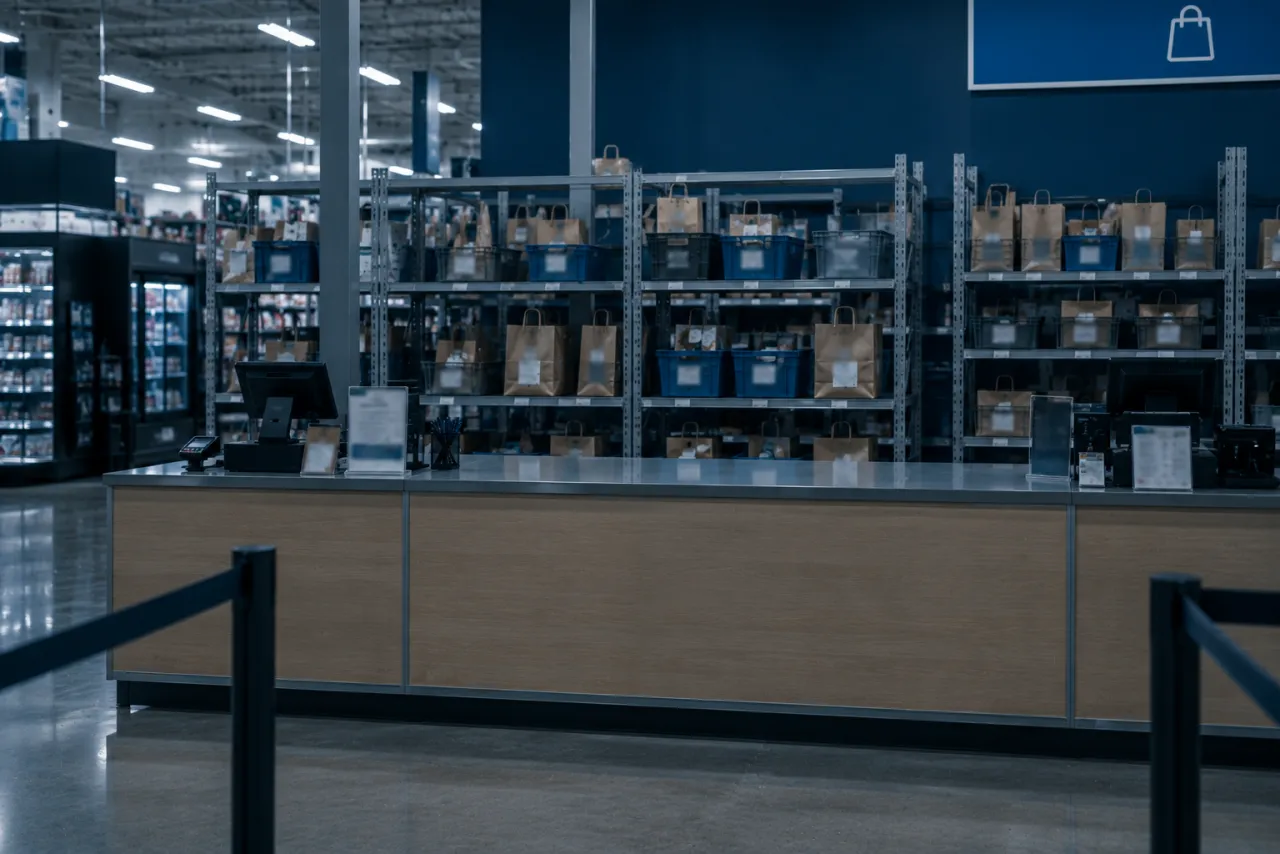
A timestamp records a button press. It does not record whether the customer found the pickup counter without wandering the store first, whether the bag actually contained everything on the order, or whether the substitution the associate handed over was one the customer would have chosen. Two orders can log the identical seven-minute fulfillment time and represent two completely different experiences: one shopper walks straight to a clearly marked counter and gets exactly what she ordered, and another circles the front end twice, waits behind a return transaction, and leaves with a smaller container of the wrong brand because nobody flagged the substitution before handing over the bag. The system cannot tell those two apart. A person standing in the store can.
This is not a new failure mode for retail dashboards generally. The gap between what a report says and what a store actually did shows up everywhere leadership relies on a system of record instead of a set of eyes, and BOPIS pickup is one of the cleanest examples, because the button press and the customer experience can diverge completely without either system ever throwing an error.
“Our pickup satisfaction survey scores look fine. Doesn’t that already cover this?”
It covers the shoppers who finished the pickup and chose to answer a survey afterward. That group is real, and if the scores are good, they are telling the truth about that group.
What the scores do not cover is the shopper who searched for the counter, could not find a sign, asked a cashier who did not know either, and left without ever completing the transaction. That shopper never gets a survey link, because the survey fires after a completed pickup, not an abandoned one. The scores can be excellent and the gap can still exist, because the two are measuring different populations of customers.
A checkout experience audit is built to walk in as that first-time, no-help shopper and report on the part of the process the survey structurally cannot see.
“Isn’t this just a mystery shop with a different name?”
Close enough that the objection deserves a straight answer instead of a defensive one. An anonymous person visits the store without announcing it, the same as a traditional mystery shop. That part is not new, and Signal Retail does not pretend otherwise.
Where it differs is in what happens after the visit. Every finding is backed by a photo or a timestamped note, every report passes quality review before it reaches anyone at the chain, and the auditor’s job is to observe and report, never to coach the associate or identify themselves as anything other than a customer. How that reporting actually works matters more than the label on the visit, since a checklist filled out inconsistently is worse than no audit at all.
“Our regional manager already walks the pickup counter on every store visit. What’s the difference?”
The regional manager sees real conditions, and nothing here is meant to suggest otherwise. A good regional manager notices more in ten minutes than most reports capture in a week.
The associate also knows exactly who that person is and exactly when the visit is happening. The counter gets straightened, the substitution gets explained a little more carefully, and the register that was running one-deep a moment earlier suddenly has backup. None of that is dishonest. It is simply what happens when the observer is recognizable and the visit is scheduled. An anonymous audit tests the six hours around that visit, not the ten minutes inside it, and those are the hours where the pickup counter actually lives most of the time.
“We already give the pickup team a script for substitutions and a checklist for staging orders. Shouldn’t that be enough?”
It should be, and on a slow Tuesday morning it probably is. The script gets followed when there is time to follow it.
The harder question is what happens at 5:40 on a Friday, with six online orders backed up and one associate covering both pickup and the front register. That pressure is when the script gets compressed: the substitution gets handed over without the conversation it is supposed to include, the staging shelf gets disorganized, and the checklist becomes a formality nobody has time to actually run. A written procedure and an executed procedure are not the same document once the store gets busy, and the gap between them is exactly what a policy drift audit exists to measure.
“What if your audit just catches a bad day, not a pattern?”
Sometimes it does, and Signal Retail will not claim otherwise. One visit is one visit. A single report showing a confused pickup counter on a Tuesday afternoon is a data point, not a verdict on the whole operation.
Which is exactly why the value compounds with repetition rather than a single trip. A chain running visits across a route, or across the stores covered under a multi-location audit program, starts to see which findings repeat at every location and which ones were genuinely a bad Tuesday. The pattern is the answer to the objection, not any single visit on its own.
If your BOPIS numbers already look clean on the dashboard and you still want to know what a real customer hits at the counter, that is a short conversation to have before holiday order volume tests it for you without your permission. Tell us which stores carry the most pickup volume and we will start there.