

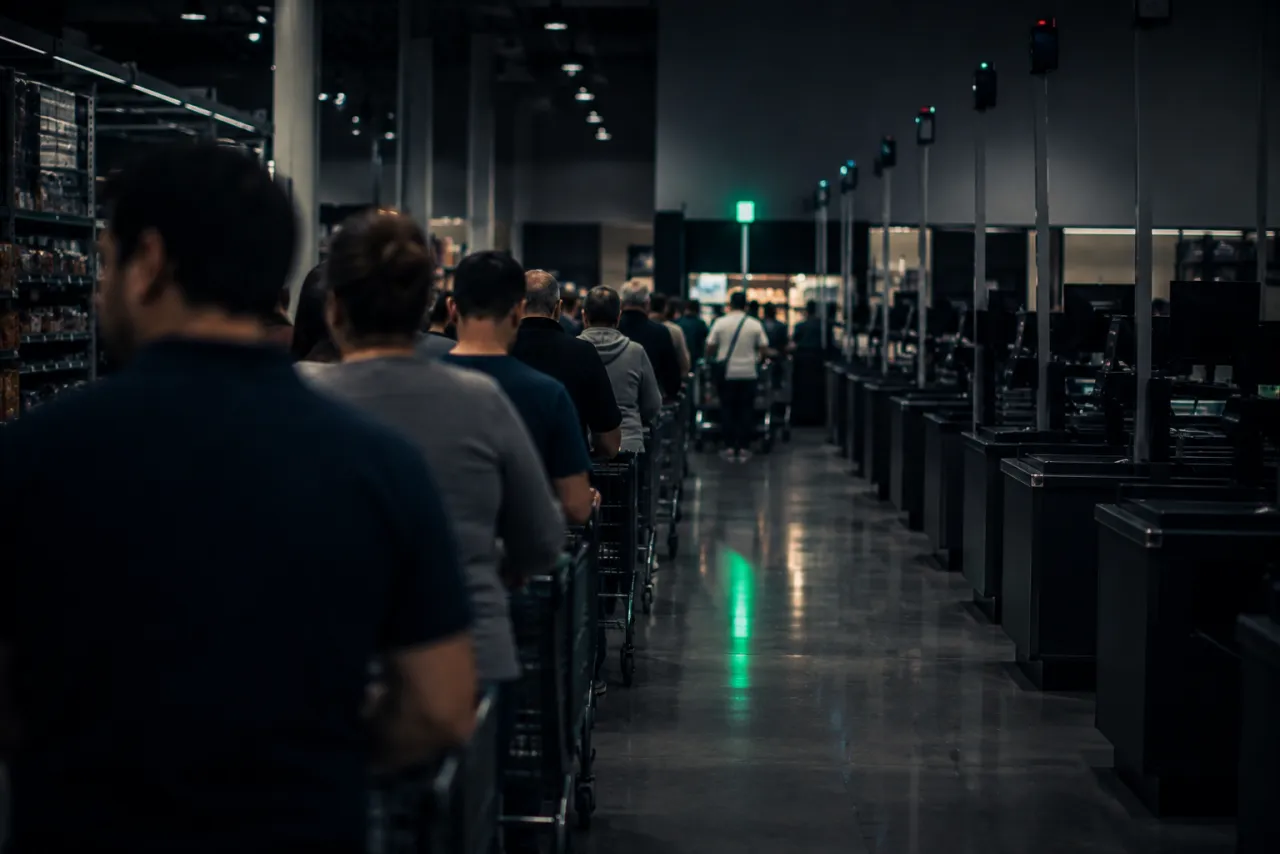
Friday, 5:40 p.m. Eight lanes installed, two lanes open, eleven carts deep. A shopper near the back does the math, parks a full cart by the cooler, and walks out. Nobody logs it. The register data for that hour will look fine, because registers only count the people who stayed.
That is the trap in most attempts to reduce checkout wait times: the fix gets chosen before anyone measures the line during the hours that actually hurt. Managers add a self-checkout bank, or run a “customer first” huddle, and the Friday line stays eleven deep. This playbook runs in the opposite order. Measure at true peak. Fix the specific failure the numbers expose. Then measure again and prove it moved.
Measure During True Peak, Not on a Quiet Tuesday
Wait data collected midmorning on a Tuesday tells you nothing about Friday at 5:40. Pull transaction counts and pick the two or three windows per store where volume actually spikes: weekday evenings, Saturday midday, the lunch rush at a convenience format. Then stand in the line like a customer and time it. Several passes per window, all timestamped.
Record four things on every pass:
- Minutes from joining the line to first scan (the customer’s clock, not the register’s)
- Lanes open versus lanes installed at that moment
- Queue length at each open lane, including self-checkout
- Walk-aways: baskets or carts abandoned within sight of the line
This is the exact protocol of our Checkout Experience Audit ($225-$325 per visit), and it is why those reports read nothing like register data. The line your customers experience only exists at peak, so that is the only place worth measuring it.
Lane Availability Beats Lane Count
Installed lanes are a fiction. The number that sets your wait is lanes open during the window you just measured. A store with eight registers and two cashiers at peak does not have a capacity problem, it has a deployment problem, and no amount of hardware fixes deployment.
Track open-versus-installed as a ratio for every measured window, then chase the causes. They are usually mundane: breaks scheduled into the peak, the backup cashier assigned to stock the far corner of the store, or no stated rule for when a second lane opens. Every one of those is fixable this week for free.
Self-Checkout Is Triage, Not a Cure
Self-checkout absorbs small baskets and keeps short trips moving. It does not absorb a Friday cart wall, and it fails quietly: a unit out of service, an age check waiting on an attendant, a weight error flashing while the line grows behind it. Audit it like a lane, not like furniture. Count units in service versus units installed, time how long interventions wait for the attendant, and note whether the attendant is actually at the bank or covering a register twenty feet away. If interventions stack up at peak, self-checkout is adding wait, not removing it.
Picture the usual version. Four units installed, one dark, and the attendant pulled away to bag at register 2. Now every bottle of wine and every mis-weighed bag of produce waits on someone who is not standing there. On paper that store added four lanes. In the measured window it is running two and a half, and the join-to-scan number says so.
Reduce Checkout Wait Times With Staffing Triggers
Now convert the measurements into rules that fire without a judgment call. A trigger has three parts: a threshold, a named responder, and a deadline. For example: more than three customers in any line means the designated backup drops their task and opens lane 3 within two minutes. Post it at the registers and brief it at shift start.
Triggers tied to a measured wait beat instinct, because instinct is busy at peak. The manager who “keeps an eye on the lines” is also receiving a truck. A posted trigger works when nobody is watching, and it gives you something objective to hold shift leads to. Make peak wait and open-lane ratio standing numbers in your weekly review, right beside your other retail execution KPIs.
Re-Measure or You Fixed Nothing
Two to four weeks after the fixes land, run the same measurement again. Same windows, same method, same clock. If join-to-scan dropped and the open-lane ratio climbed, the fix worked and you have the numbers to say so. If nothing moved, you learned that before it cost you another quarter.
Keep the method frozen between rounds. Change the windows or the definition of “wait” and you now hold two numbers that cannot be compared. This is the same discipline that makes any retail execution audit worth repeating: the instrument stays still, so the store is the only variable.
Put an Outside Clock on Your Lines
One caution about measuring your own stores: lines behave differently when the district manager is standing in them. Staff spot a clipboard at forty feet, a second lane opens on cue, and your data describes a store that only exists during visits. Anonymous timing is honest timing.
That is what our 10-store pilot buys you: $7,500 all-in for ten anonymous, photo-backed visits timed during your true peak windows, severity-scored reports, and a one-hour debrief on where the waits actually live. Start at the pilot program page or reach out and tell us which stores keep showing up in the complaint log.