

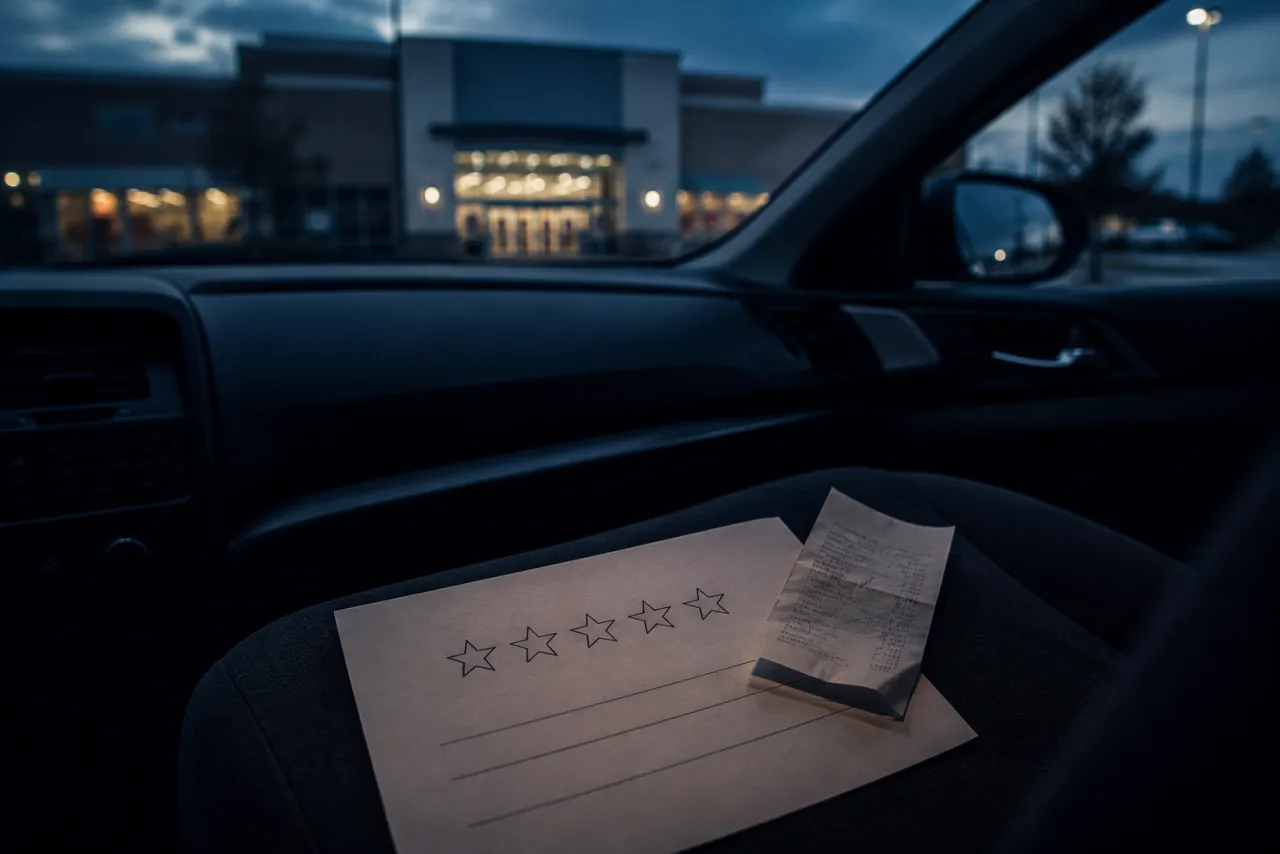
The report card came back: 4.2 out of 5, “friendly cashier,” “store looked clean.” One visit. One store. A shopper you have never met, answering questions someone wrote three years ago. Meanwhile, somewhere in that district, a location is quietly bleeding customers for reasons the survey never asked about.
When operators tell us their secret shopper program stopped telling them anything, they usually blame the concept. The concept is fine. Sending an unknown customer into your stores is one of the oldest and best ideas in retail. What failed is the program design, and the failure patterns are so consistent across industries that we can list them from memory.
The good news: every one of these flaws is fixable, and fixing them does not mean starting from scratch. It means rebuilding the program around evidence instead of opinions.
Why the Typical Secret Shopper Program Fails by Design
Strip away the vendor branding and most struggling programs share the same four structural flaws:
- Tiny samples. One visit per store per quarter, or one store standing in for an entire region.
- No evidence standard. Star ratings and adjectives with nothing behind them: no photos, no timestamps, no receipts.
- Untrained gig shoppers. Whoever accepted the job that morning, with no calibration on your standards and every incentive to finish fast.
- Scripted narrowness. A questionnaire that measures the questionnaire, not the store.
Each flaw compounds the others. A tiny sample of unverifiable opinions, gathered by strangers reading a script, produces a number nobody trusts. And a number nobody trusts changes nothing.
Tiny Samples, Big Conclusions
A single visit is an anecdote. The store that scored 4.2 on a quiet Tuesday morning may be a different store entirely during the Saturday rush, and the shopper who came at 10 a.m. saw neither the lunch line nor the closing crew. Yet that one datapoint flows into coaching conversations, bonus decisions, and sometimes terminations.
Worse, thin cadences are predictable. Managers learn the rhythm, and a store that gets one scheduled-window visit per quarter can perform for exactly that window. The fix is not necessarily more visits everywhere. It is deliberate sampling: more frequency for new managers, recent remodels, and outlier stores, less for locations that verify clean, with visit dates the store cannot anticipate.
No Evidence, No Dispute Process, No Trust
Ask what happens when a manager disputes a bad shopper score. In most programs, nothing can happen, because there is nothing to review. The shopper said the restroom was dirty; the manager says it was not. With no photo and no timestamp, headquarters has to pick a side blind, and after a few of those fights the whole program gets quietly ignored.
An evidence standard ends the argument before it starts. In our field reports, every finding is backed by a photo, a timestamped note, or a receipt, severity-coded from Critical to Low, and QA-reviewed before delivery, with each store scored 0-100 and anything under 80 flagged for review. A manager can still dispute a finding, but now the dispute is about a photograph taken at 2:14 p.m., not about whose memory to trust. The full methodology is laid out in how our reporting works.
Untrained Shoppers Reading a Script
Gig-marketplace shopping pays by the completed visit, which rewards speed over observation. An untrained shopper can answer “Was the store clean?” but cannot recognize planogram drift, an expired promotion still tagged at the old price, or a policy shortcut that signals metric pressure. They report what the form asks and walk past everything else.
That is the deeper cost of scripted narrowness: the script can only catch problems someone predicted when they wrote it. The down cooler, the unworked freight blocking aisle 4, the associate steering customers away from a promotion the store never set up, none of it appears in a yes/no questionnaire. A trained auditor works differently: observe and report everything material, on your rubric, with the checklist as a floor rather than a ceiling.
The Upgrade Path: From Mystery Scores to Field Intelligence
The redesign is a shift in category as much as vendor, and we have written a full comparison of the two models in mystery shopping vs. field intelligence. From a program-design standpoint, the upgrade means specifying five things before you sign anything: risk-based sampling instead of flat rotation, a hard evidence requirement for every finding, trained and vetted auditors rather than an open gig pool, severity scoring that separates a burned-out lightbulb from a pricing violation, and an internal QA layer between the auditor and your inbox.
Yes, an evidence-backed visit costs more than a gig-marketplace survey. It also produces something a ten-minute gig survey never will: findings your managers cannot argue with and your executives can act on. We break down what visits should cost, and why, in our guide to retail store audit cost.
Rebuild Before You Renew
Your renewal date is your leverage. Before you sign another year of scores nobody reads, run the redesigned model against a slice of your network and compare the output side by side. The difference tends to be obvious by the third report.
Our 10-store pilot exists for exactly this test: $7,500 all-in for a checklist designed around your standards, ten anonymous evidence-backed visits, severity-scored reports, and an aggregated findings debrief, delivered in three to five weeks with no long-term commitment. Tell us which stores your current program has been grading kindly, and we will start there.