

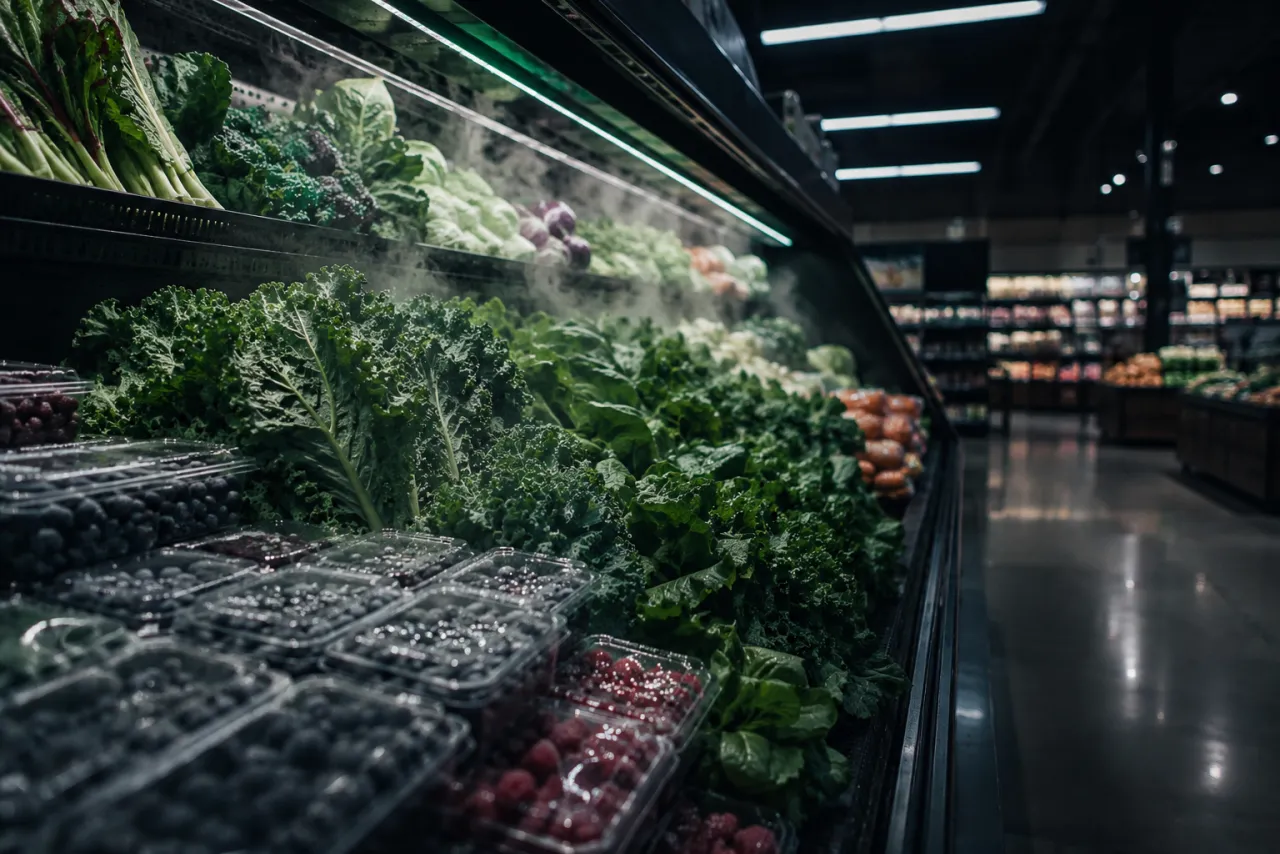
The dashboard says store 14 is fine. Sales are flat but acceptable, shrink is inside tolerance, labor is on plan. Then a shopper reaches for a clamshell of strawberries, spots the fuzz, sets it down, and quietly decides to try the competitor across town for next week’s full basket.
Grocery lives and dies on that moment, and a grocery store audit exists to catch it before the shopper does. Yet most regional chains still audit their supermarkets the way they would audit a shoe store: a generic walkthrough, a checklist written at headquarters years ago, and a score nobody in the field trusts.
Grocery is a different animal. It is more perishable, more label-dense, and more habit-driven than any other retail format. Your audit program should measure the handful of things that actually decide whether a household gives you its weekly basket. Here they are.
Freshness Is the Only Signal Every Shopper Can Read
Your customer cannot see your shrink report or your perpetual inventory. She can see wilted spring mix, a smeared meat case, and yesterday’s date on the milk at eye level. In grocery, freshness cues are your reputation, printed one item at a time.
A grocery-specific audit treats perishables as their own discipline: cull practice on the produce wall, rotation in dated dairy, the state of the service case at 6 p.m., whether the bakery table looks abundant or picked over. Date checks matter most where shoppers look first: eye level in dairy, the front row of grab-and-go, the top layer of the ground beef. Every one of these conditions is observable by a trained auditor and documentable with a timestamped photo. That matters, because “produce looked rough” starts an argument, while a timestamped photo of the berry table ends one.
Price Labels: Where a Grocery Store Audit Earns Its Keep
A supermarket carries more shelf labels than any other format you will ever operate. Thousands of small paper promises, and every one of them can be wrong: the sale tag that never came down when the ad flipped, the promo price that does not match the scan at the register, the unit price a sharp-eyed customer (or a state inspector) will catch before you do. This is the largest error surface in your building, and it deserves its own audit lane.
Our Price, Tag and Promotion Integrity Audit ($350-$495 per visit) checks tag-to-shelf accuracy, promotion execution, and scan pricing against an actual receipt. The finding is never an opinion. It is a photo of the tag beside the receipt line that disagrees with it.
Measure the Queue When the Queue Actually Exists
Most store visits happen at 10 a.m. on a Tuesday, because that is when district managers travel. Grocery peaks do not care about travel schedules. The lines that cost you households form on Sunday after church, on weekday evenings between five and seven, and on the day before a holiday, when a fifteen-minute wait can undo everything the rest of the store did right.
Audit checkout at true peak: lanes open versus lanes staffed, how long the line runs before someone opens another register, whether self-checkout attendants are clearing interventions or standing still. Our Checkout Experience Audit is built for exactly this window, with the auditor standing in the same line your customers stand in. One caution: a single visit is a snapshot. Queue findings become decision-grade when the same store is observed at the same peak window more than once, which is why grocery programs favor recurring visits over one annual walkthrough.
Carts, Restrooms, and the Entrance Set Up the Whole Trip
Shoppers judge a supermarket before they touch a single product. The first two minutes frame everything that follows, and the trip-setters are boring, physical, and easy to verify:
- Carts: wet seats, trash left in baskets, wheels that fight the shopper down every aisle.
- The entrance: glass, mats, stray pallets, and whether the seasonal display matches the current ad or last week’s.
- Restrooms: checked mid-shift, hours after the morning clean, when they reflect the store’s real standard.
- The lot: overflowing corrals read as an understaffed store from fifty yards away.
None of this shows up in your sales data until the basket has already moved to the competitor, and by then the data is a lagging obituary, not a warning.
Score Only What You Can Defend
Grocery managers are drowning in metrics they distrust. If you add an audit score to the pile, make it one they cannot argue with. Every finding in a Signal Retail report is backed by a photo, a timestamped note, or a receipt. Findings are coded Critical, High, Medium, or Low and rolled into a 0-100 store score, and anything under 80 triggers a review recommendation. The full chain from observation to score, including QA review before anything reaches your inbox, is laid out in how our reporting works.
Regional grocery chains are one of the core formats we serve, alongside the other industries where floor conditions decide the outcome. The checklist changes by format. The evidence standard never does.
Start With Ten Stores, Not a Manifesto
You do not need a six-month program design to learn whether your stores match your standards. You need ten honest data points. Pick your best store, your worst, and eight in the middle, then let anonymous auditors walk them the way your customers do: through the entrance, past the berries, down the label-dense center store, and out through the queue at true peak.
Our 10-store pilot runs $7,500 all-in: a custom checklist built around your perishable, pricing, and checkout standards, ten anonymous visits, photo-backed and severity-scored reports, an aggregated findings summary, and a one-hour executive debrief, delivered in three to five weeks with no long-term commitment. If every dashboard says your stores are fine, that is precisely the moment to talk to us and find out what the dashboards miss.