

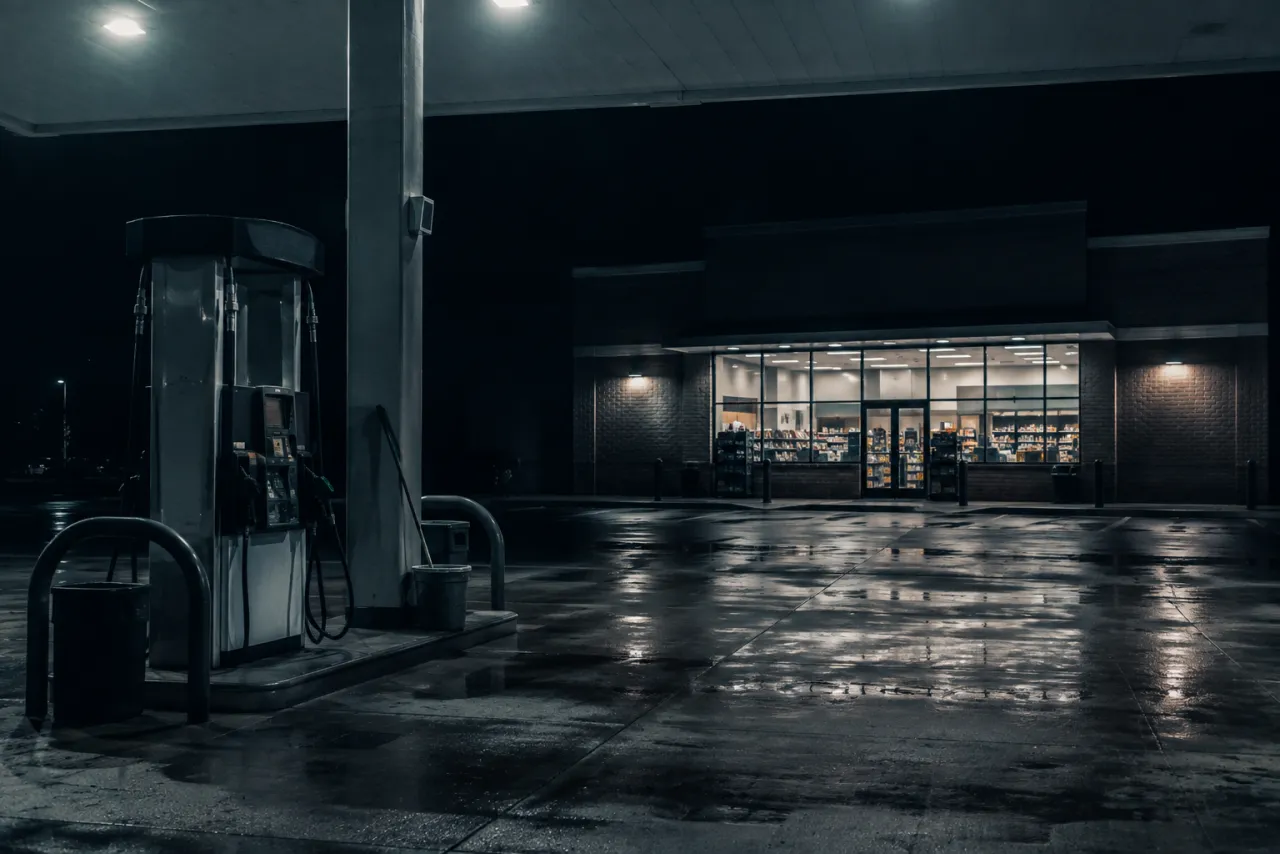
Nobody complains about a bad convenience store. A driver pulls in, the pump keypad is sticky, the squeegee bucket is dry, the coffee counter is wet with no rag in sight. He pays, leaves, and tomorrow he buys his coffee at the store across the intersection. You never get the complaint. You just stop getting the visit.
That is the problem a convenience store audit has to solve. A c-store trip runs three to five minutes. There is no browsing, no service recovery, no second impression inside the same visit. Whatever the customer touches in those minutes is the entire brand experience, and small friction, repeated daily, is how a daily customer becomes a former one.
High-frequency stores need high-frequency eyes. Here is where to point them.
Why a Convenience Store Audit Starts at the Pump
Most operators audit the inside and ignore the forecourt, but the forecourt is where the visit is decided. A customer who fuels and drives off is a sale you nearly had. The walk from pump to door only happens when the outside earns it, and the outside is easy to verify:
- Pumps: sticky keypads, dead screens, torn receipt paper, handles that smell like the last spill.
- Squeegee stations: fluid and towels present, not a bucket of gray water baking in the sun.
- Trash: overflowing cans between pumps say nobody has walked the lot all shift.
- Lighting: dark corners at night keep customers, especially women, in their cars.
- Curbs, bollards, signage: chipped paint reads as neglect at thirty miles an hour.
An anonymous auditor documents every one of these in the two minutes before touching the door handle, each finding backed by a timestamped photo.
Food Service: Highest Margin, Highest Risk
Food is where c-store margin lives now, and it is also the fastest way to lose a customer permanently. A shopper will forgive a stale magazine rack. Nobody gives a second chance to a store where they saw something they did not like near food. The roller grill hold condition, the coffee station between rushes, date codes on grab-and-go sandwiches, gloves and tongs actually in use at the deli: these are the observations that separate a food destination from a store people only trust for packaged goods.
Severity coding matters here more than anywhere else in the box. A tired-looking roller grill item and a date-code violation in the cold case are not the same finding, and a report that treats them the same will be ignored. Ours are coded Critical, High, Medium, or Low, so your team works the list from the top.
The Restroom Is a Verdict
For travelers and route drivers, the restroom is not an amenity. It is the reason the stop was chosen, and it is judged in about four seconds. A restroom checked mid-afternoon, hours after the morning clean, tells you what the store’s real standard is. It also predicts the rest of the building: a store that holds the restroom holds the coffee bar, and a store that loses one has usually lost both.
Same Sign, Different Store
Run twenty c-stores under one brand and you are really running twenty small businesses wearing one sign. Corporate stores drift. Franchised stores diverge. The gap between your best operator and your worst is usually wider than anyone at headquarters wants to believe, and customers do not grade on a curve: your brand is judged by the worst store each customer happens to use.
Closing that gap starts with measuring it the same way everywhere, which is the core argument of multi-location retail auditing: one checklist, one evidence standard, scores you can compare across operators without an argument. Every finding is supported by a photo, a timestamped note, or a receipt, rolled into a 0-100 store score, with anything under 80 flagged for review. The full path from observation to score is documented in how our reporting works, and it is what lets you put two operators’ numbers side by side and have both of them accept the comparison.
Short and Frequent Beats Long and Rare
A supermarket audit takes hours. A c-store audit does not need to, and that is an advantage. The store is small, the journey is short, and the failure modes repeat: forecourt, restroom, coffee, cold vault, register. That is not a reason to audit less. It is a reason to audit more often.
An annual deep dive tells you what one day looked like. Short, frequent visits tell you which stores hold standards when nobody is scheduled to come, and which ones only pass inspection when the inspection is on the calendar. Our Retail Integrity Audit ($395-$500 per visit) covers the full c-store journey from pump to register, and recurring programs put the same handful of stores under monthly observation so you see the trend line, not the snapshot. High-frequency retail rewards the operator who checks high-frequency.
Find Your Worst Store Before Your Customers Rank It
Somewhere in your network is the store quietly training customers to stop at the competitor. You can wait for the fuel volume report to reveal it two quarters late, or you can go look now, with eyes the store does not recognize.
A practical first step is our 10-store pilot: for $7,500 all-in you get a c-store-specific checklist, ten anonymous visits spread across your strongest and weakest operators, photo-backed severity-scored reports, an aggregated findings summary, and a one-hour executive debrief, completed in three to five weeks with no ongoing commitment. When you are ready to see your forecourts the way your customers do, reach out and we will scope the ten stores with you.